
DELICIOUSLY DUTCH! PEPERNOTEN
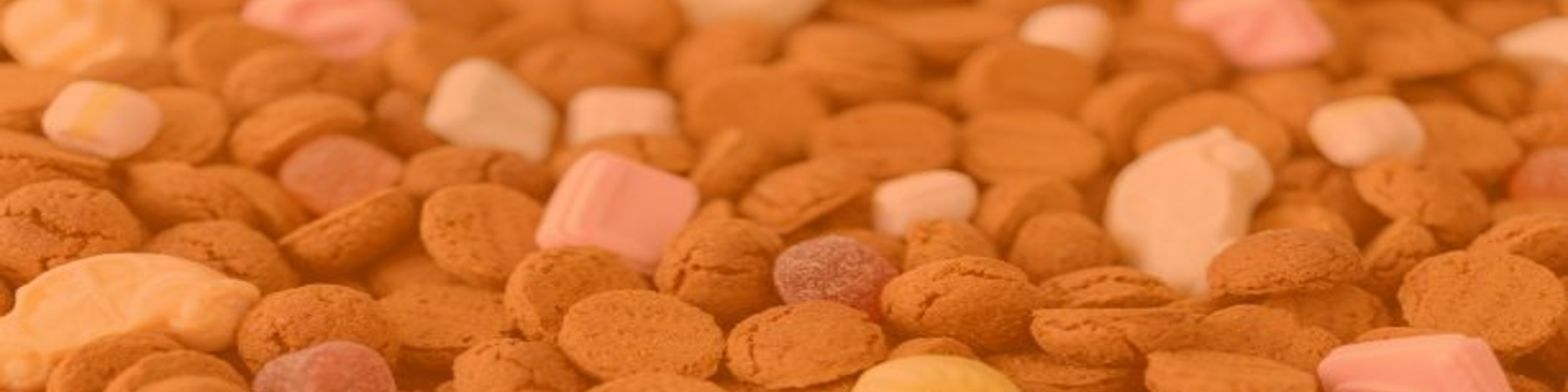
Pepernoten are an important part of the Sinterklaas celebration in the Netherlands and help make the winter season feel festive and cosy. Many people use the word pepernoten when talking about the small, round biscuits known as kruidnoten, but the original pepernoot actually looks very different.
Both treats have a long history and are enjoyed in large quantities during November and December. You can already find them in Dutch shops from September onwards, often in many different flavours and varieties. However, the traditional recipes and the connection to Sinterklaas remain the most important part of the tradition.
What are pepernoten & KRUIDNOTEN?
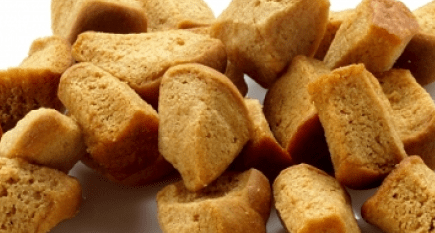
The original pepernoot has an irregular, block-like shape and a soft, chewy texture. It has a mildly sweet and spicy flavour thanks to ingredients such as rye flour, honey and aniseed. This gives the pepernoot a warm and traditional character that reflects old Dutch baking traditions.
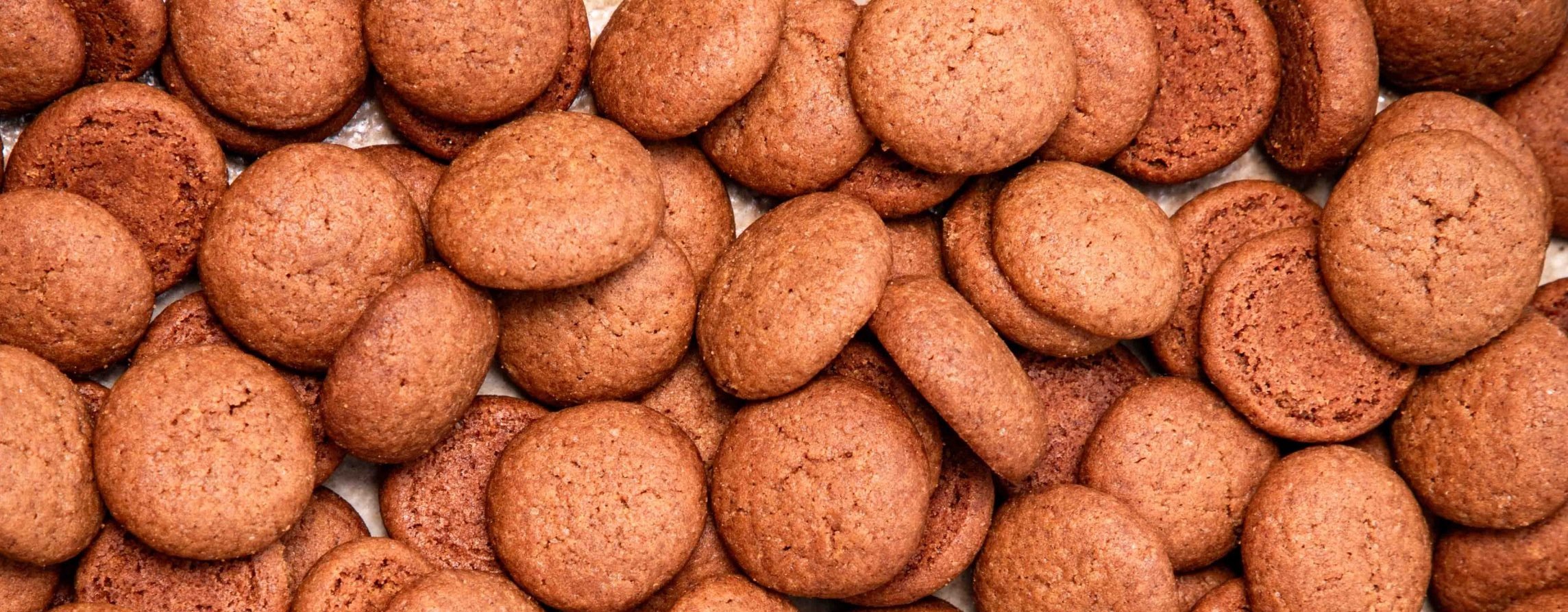
What many people today call "pepernoten" are actually kruidnoten. These small, round and crunchy biscuits are made with traditional speculaas spices such as cinnamon, nutmeg and cloves. Their crispy texture and distinctive flavour have made them extremely popular throughout the Netherlands.
Alongside the traditional version, you can now find many different varieties, including chocolate-coated kruidnoten, caramel sea salt kruidnoten and even truffle-flavoured kruidnoten. Together, both pepernoten and kruidnoten remain a much-loved part of the Sinterklaas season and an important part of Dutch food culture.
Woordenschat
Become a Pepernoten expert by learning these Dutch words!
Dutch |
English |
| De lekkernij | The delicacy / the candy |
| De smaak | The taste |
| De geschiedenis | The history |
| De sfeer | The atmosphere |
| Onregelmatig | Irregular |
| Taai | Tough / Chewy |
| De kruiden | The spices |
| Kruidig | Spicy / Spiced |
| Knapperig | Crispy / Crunchy |
| De kruiden | The spices |
| De oorsprong | The origin |
| De Middeleeuwen | The Middle Ages |
| De specerij | The spice |
| Het kaneel | The cinnamon |
| De kruidnagel | The clove |
| De noodmuskaat | The nutmeg |
| De specerij | The spice |
| Het geluk | The luck |
| De overvloed | The abundance |
| Strooien | To scatter |
The history of pepernoten
The origins of pepernoten can be traced back to the Middle Ages, when expensive spices such as cinnamon, cloves and nutmeg gradually arrived in the Netherlands through international trade. Bakers began experimenting with these new ingredients and created a spiced dough made with honey. This is believed to be the earliest version of the pepernoot.
During the sixteenth and seventeenth centuries, pepernoten became closely connected to the Sinterklaas celebration. Helpers of Saint Nicholas would throw pepernoten to children, a tradition that symbolised generosity, good fortune and kindness.
The original pepernoot developed relatively early, while the round and crunchy kruidnoot appeared much later. Because many people refer to both as "pepernoten", the two are often confused. Despite this, they each have their own flavour, history and character, and both remain an essential part of the Dutch Sinterklaas tradition.
HOW ARE PEPERNOTEN MADE?
Pepernoten and kruidnoten are some of the most popular Dutch festive treats. Watch the video below to discover how these traditional Sinterklaas biscuits are made and learn more about an important Dutch winter tradition.
Ingredients
Want to make your own Pepernoten? You'll need these ingredients
Dutch |
English |
| De fabriek | The factory |
| Het deeg | The dough |
| Het vet | The fat |
| Het meel | The flour |
| De witte suiker | The white sugar |
| De basterdsuiker | The brown sugar |
| De speculaaskruiden | The speculas spices |
| Het noodmuskaat | The nutmeg |
| Het kaneel | The cinnamon |
| Het bakpoeder | The baking powder |
| Het snufje zout | The pinch of salt |
-

Dutch Speculaas spices
-
Pepernoten Phone Grip
-
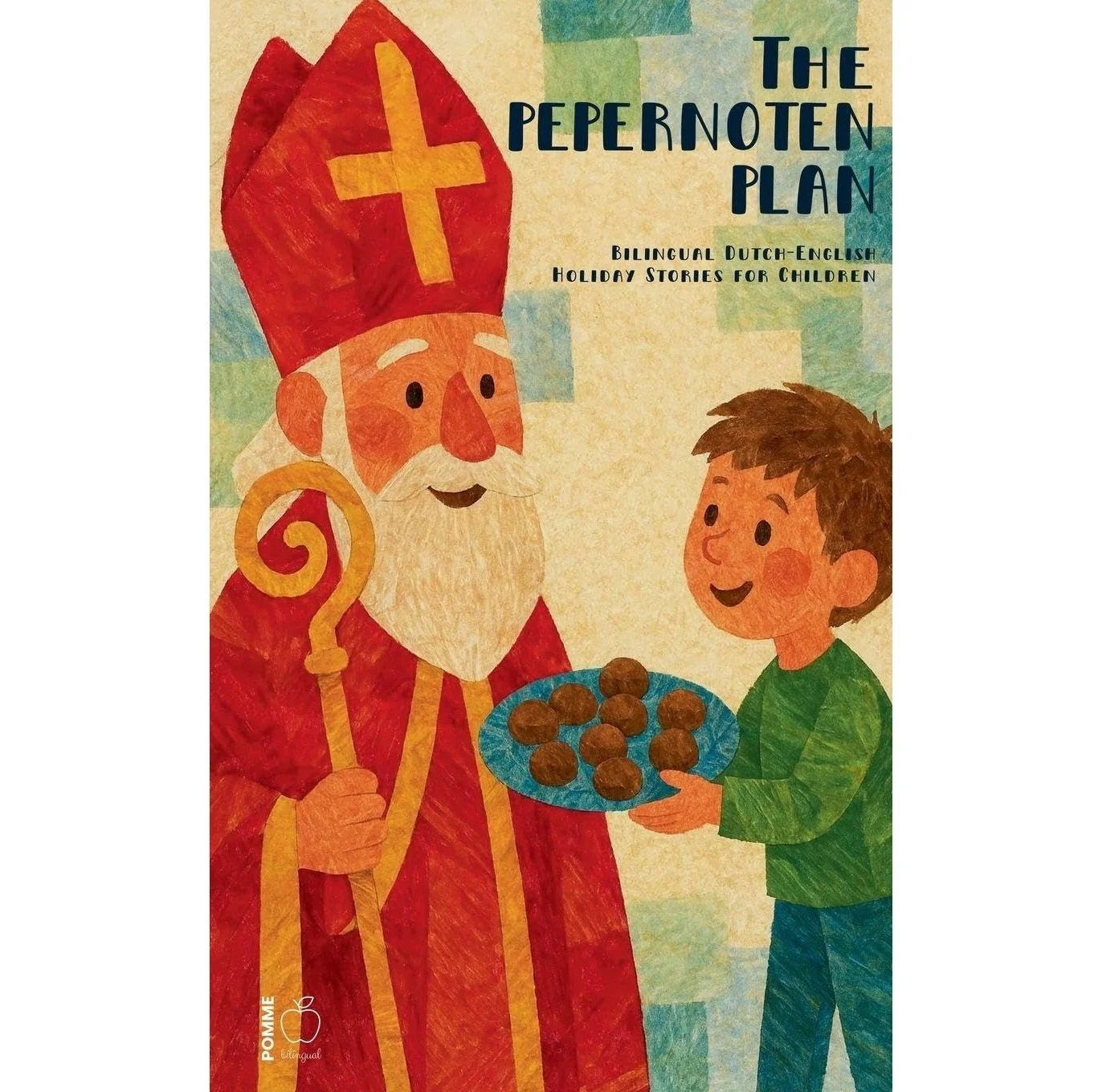
The Pepernoten Plan (Bi-lingual story book for learners)